GBGB Regulation and UK Greyhound Racing Rules Explained
 Available in US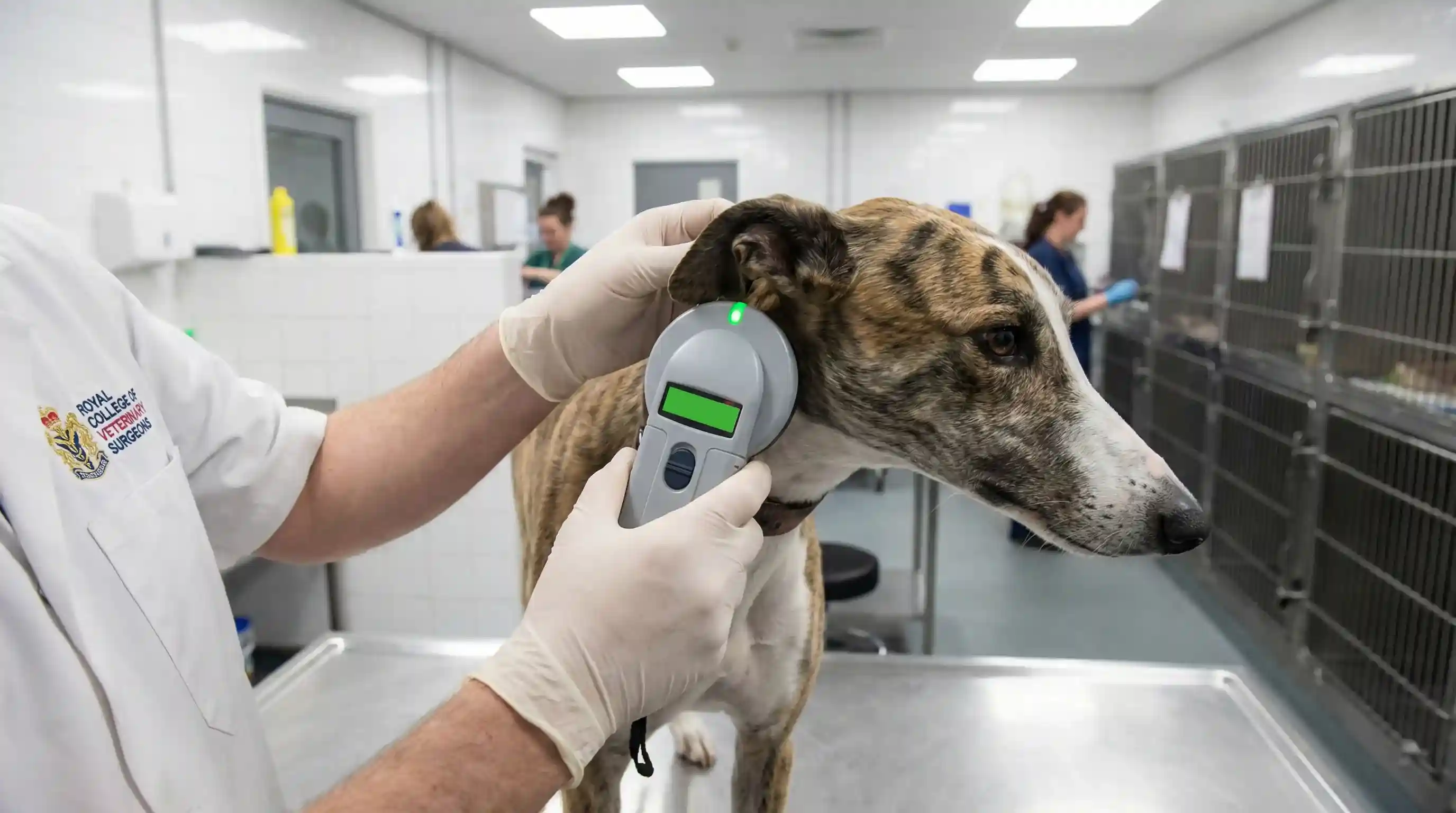
The Governing Body Behind Every UK Greyhound Race
If you bet on greyhound racing in the UK, every race you wager on operates under the authority of a single organisation: the Greyhound Board of Great Britain. The GBGB is the regulatory body responsible for licensing, administering, and overseeing all aspects of professional greyhound racing in the country. It sets the rules, enforces them, maintains the integrity of results, and — increasingly — drives welfare standards across the sport.
For bettors, the GBGB’s role might seem remote. You place a bet on an app, the dogs run, the result appears. But the regulatory framework that underpins every race directly affects the quality and reliability of the product you’re betting on. Grading systems, drug testing, race scheduling, track licensing, kennel inspections, injury reporting — all of this is GBGB territory, and all of it shapes the racing environment in ways that ultimately determine whether the form data you rely on is trustworthy.
Understanding how regulation works won’t make you a better form reader. But it will give you confidence that the sport you’re betting on operates within a structured, accountable framework — and it will help you recognise why certain rules exist that directly affect how races are run and results are settled.
How GBGB Regulates Racing
The GBGB operates through a licensing system that covers tracks, trainers, racing staff, and the dogs themselves. Every element of the sport that touches the competitive process is subject to regulation, and the framework is designed to ensure that races are run fairly, results are legitimate, and the animals involved are treated properly.
Track licensing is the foundation. Every GBGB-registered track must meet specific standards for its racing surface, trap mechanisms, safety facilities, veterinary provision, and kennelling. These standards are inspected regularly. A track that fails to maintain them risks losing its licence, which would prevent it from hosting GBGB-sanctioned racing — and by extension, from offering races that licensed bookmakers can take bets on. The practical effect for bettors is that every track you see on a UK betting app has passed these inspections, which ensures a baseline consistency in racing conditions.
Trainer licensing works on the same principle. Every trainer operating in GBGB racing must hold a valid licence, which requires demonstrating competence in greyhound care, welfare knowledge, and adherence to the board’s rules on drug administration, feeding, and kennel management. Trainers are subject to unannounced inspections of their kennels and can be sanctioned or stripped of their licence for breaches. This licensing system means that every trainer’s name on a racecard represents someone who has met — and continues to meet — a regulated standard of professional conduct.
Dog registration and identification are handled through the GBGB’s central database. Every racing greyhound is microchipped, ear-marked, and registered with its full identity — date of birth, breeding, ownership, and training history. This eliminates the possibility of dogs being substituted in races, which was a historical concern in the sport before modern identification systems were introduced. The identity of the dog you’re betting on is verified before every race through microchip scanning.
Drug testing is the regulation area most directly relevant to the integrity of results. The GBGB operates a comprehensive anti-doping programme that tests dogs at random and at targeted meetings. Samples are analysed for prohibited substances — stimulants, sedatives, painkillers, and other compounds that could affect racing performance. Positive tests result in disqualification of the dog from the relevant race, fines for the trainer, and potential suspension from racing. For bettors, this programme provides assurance that race results reflect genuine athletic competition rather than pharmaceutical manipulation.
Rules That Affect Bettors
Several GBGB rules have direct implications for how bets are placed and settled, even though most bettors encounter their effects without knowing the regulatory source.
The grading system, which determines which races a dog can enter, is administered under GBGB rules. The racing manager at each track applies the grading criteria set by the board, and those criteria govern promotions, demotions, and the formation of race fields. When a dog is upgraded after a win or downgraded after poor results, that movement follows GBGB guidelines. The consistency of this system across all licensed tracks is what makes graded form comparable from one venue to another — a structural feature that bettors rely on, often without realising it’s a regulated output.
Race void rules are another area where GBGB regulations directly affect betting outcomes. If a race is declared void — because the hare malfunctioned, there was a track obstruction, or the starter identified a problem with the traps — all bets on that race are settled as void and stakes are returned. The conditions under which a race can be voided are defined by GBGB rules, not by the bookmakers. This protects bettors from having money at stake on a race that wasn’t run under fair conditions.
Non-runner rules are similarly governed. If a dog is withdrawn before a race after the final declarations have been made, the GBGB’s procedures determine how the race proceeds — typically with a vacant trap. Bookmakers then apply their own non-runner rules (usually Rule 4 deductions on remaining selections) based on the original market, but the underlying withdrawal process and the decision on whether to replace the runner sit within the regulatory framework.
Ante-post betting on greyhound competitions — particularly the Derby and other Category One events — is also affected by GBGB scheduling decisions. The board sets the competition calendar, determines qualification routes, and manages the draw for heats and semi-finals. These structural decisions directly shape the ante-post markets and can affect the value of bets placed weeks or months in advance.
Trial results, which are monitored by the GBGB but not always published, represent a regulatory grey area for bettors. Trainers must report trials to the racing office, but trial times are not consistently available to the public. This information asymmetry — trainers and racing managers have trial data that bettors typically don’t — is a regulated reality of the sport. It’s not an unfair advantage in the traditional sense, but it’s worth being aware of when you see a dog’s price shorten dramatically without obvious form justification.
Welfare Standards and Why They Matter
The GBGB has significantly expanded its welfare mandate over the past decade, driven by public scrutiny and a genuine shift within the sport’s governance towards higher standards of animal care. For bettors, welfare might seem peripheral to the betting decision. It isn’t. The welfare framework directly affects racing quality, dog availability, and the long-term sustainability of the sport you’re betting on.
Injury reporting and treatment protocols are now comprehensive. Every injury sustained during racing or trialling must be reported to the GBGB, and the board publishes aggregated injury data annually. Tracks are required to have a qualified veterinary surgeon present at every meeting, and dogs that sustain injuries are assessed and treated under standardised protocols. This system means that dogs returning from injury have been through a regulated recovery process, which adds a layer of reliability to the form of returning runners.
Retirement and rehoming programmes have become a central part of the GBGB’s welfare policy. The board tracks the destination of every retired racing greyhound and works with rehoming charities to ensure dogs leaving the sport are placed in suitable homes. This isn’t directly relevant to a betting decision, but it matters for the sport’s social licence — the public acceptance that allows greyhound racing to continue operating, which in turn sustains the betting product.
Kennel standards, exercise requirements, and socialisation provisions are all specified in the GBGB’s welfare code. Trainers must provide adequate space, temperature control, exercise time, and veterinary access for every dog in their care. The practical effect is that dogs arriving at the track should be in a consistent state of care, which supports the reliability of form data. A sport with poor welfare standards would produce erratic performance data — stressed, poorly cared-for dogs don’t run consistently. Regulated welfare underpins consistent form, which underpins meaningful analysis.
Regulation as Foundation
The GBGB framework isn’t something most bettors think about when they open a racecard. But every piece of data on that racecard — the grade, the weight, the identity of the dog, the track it’s running at — exists within a regulated system designed to ensure accuracy and fairness. The form figures are reliable because the sport is administered consistently. The results are legitimate because the integrity systems are active. The dogs are identified because the registration system works.
None of this guarantees that your bet will win. Regulation ensures a fair playing field, not a profitable one. But it provides the foundation on which all greyhound betting analysis rests: the assurance that the data you’re studying reflects genuine competition between verified animals on inspected tracks, supervised by licensed professionals. Without that assurance, form analysis would be an exercise in fiction. With it, greyhound betting is what it should be — a skill-based pursuit within a structured, accountable sport.
